资源 · 10
信息完整性:验证来源、上下文和转换
在引用、共享或将文档、图像或视频用于决策之前对其进行质量评估的程序。
已更新 · 15 min

本指南有助于实现的目标
- 查找最早可访问版本
- 区分真实文件和虚假标题
- 文档转换
- 在不抹去痕迹的情况下进行更正
快速检查
- 谁发布了该文件?他们从哪里获取的?
- 是否存在更早版本?
- 位置和光照是否兼容?
- 元数据是否一致但未被视为充分?
- 哪些内容依赖于此证据?
分步指南
- 1
保留项目
在合法情况下保留 URL、访问日期、接收文件、可见上下文和哈希值。 在副本上进行操作并记录每次转换。
交付成果:日志条目和哈希值。
- 2
追溯来源
查找最早发布者、声称的创建者、中间中继以及任何裁剪或重新压缩的版本。
交付成果:来源链。
- 3
检查内容和上下文
对比地形、建筑物、天气、阴影、语言、时间顺序和已知事件。 真实的图像可能被错误地用于虚假地点或日期。
交付成果:已确认和已否定的假设。
- 4
检查元数据
使用 EXIF、编码、尺寸和历史记录作为线索。 它们的存在与否并不能单独证明真实性。
交付成果:已解读的技术记录。
- 5
独立核实
寻找原始资料、其他角度、官方记录或独立证人。 识别所有依赖于同一文件的重复内容。
交付成果:核实矩阵。
- 6
发布和更正
说明置信度、局限性、方法和来源。 如果结论发生变化,请更新链接页面并保留注明日期的更正说明。
交付成果:编辑决定和更正记录。
理解、计算与判断
真实照片:区分文件、图注与页面日期
NASA对这张“Earthrise”的介绍指向Lunar Orbiter 1,并标注NASA署名。页面日期不能证明拍摄日期,标题本身也不能确定任务归属。
围绕具体主张回查机构来源页。保留引用并记录展示时的改动。哈希可识别一个副本,但不能证明场景或解释真实。
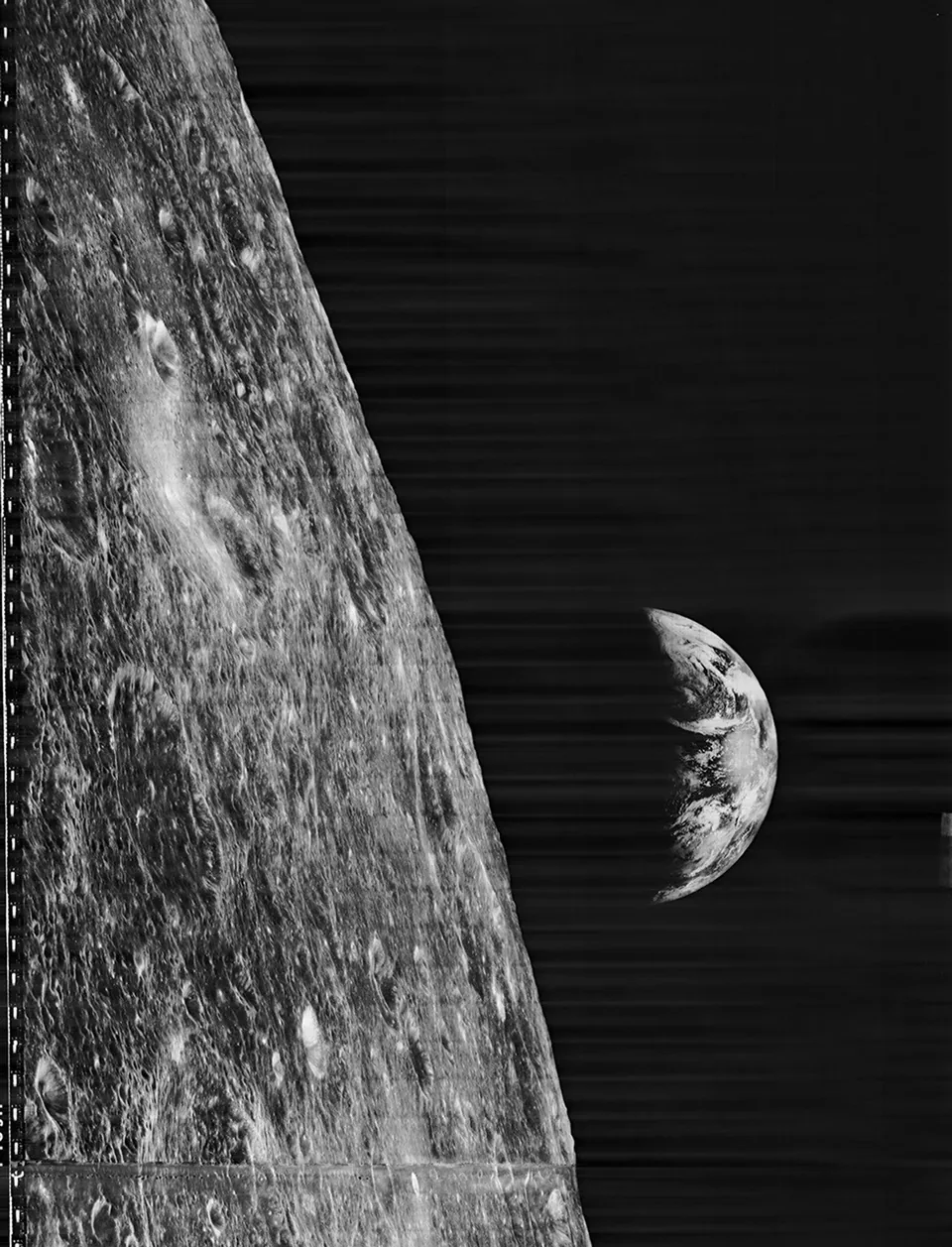
指标与证据
| 指标 | 含义 | 所需证据 |
|---|---|---|
| 文件 | 接受检查的副本 | 引用、查阅日期与哈希 |
| 图注 | 来源发布的归属信息 | 将任务和署名与来源页核对 |
| 权利 | 再利用条件与真实性是不同问题 | NASA规则、署名与尺寸调整 |
虚构示例
示例情境
一张病毒式传播的图片声称展示了最近发生的事件。 团队搜索最早的发布版本,比较可见位置,并读取来源元数据(如有)。
决策及预期证据
该注释区分了技术来源所证实的内容、独立来源所确认的内容以及尚无法得出结论的内容。
管理指标
| 指标 | 衡量内容 | 首要行动 |
|---|---|---|
| 出处 | 与有据可查的来源相关的项目 | 在没有来源的情况下处理决定性证据 |
| 佐证 | 由独立线索支持的结论 | 消除循环重复 |
| 更正延迟 | 从发现错误到更新内容的时间 | 维护依赖页面列表 |
| 可见的未知因素 | 明确说明重要的限制 | 防止假设变成事实 |
常见错误
- 将缺失的 EXIF 信息视为伪造的证据
- 在反向搜索为空后停止
- 将再版视为独立来源
- 仅更正一个页面而不更正其副本
常见问题解答
元数据能否证明图像的真实性?
不能。元数据可以被移除、更改或从设备继承。 用内容、上下文和来源来佐证它们。
如何处理合成内容?
查找可用的来源信息,检查其一致性和上下文,然后评估相关声明的真实性。
是否应该删除错误?
明确地更正内容及其分发方式。 当内容已经影响到读者时,添加注明日期的注释比悄无声息地删除更能解释更改的原因。
参考资料:数据、用途与局限
文档核查日期 .
此语言版本的详细参考说明以英语提供。
| 来源与目的 | 已核实的数据或指标 | 使用方法 | 需要保留的局限 |
|---|---|---|---|
| FIRST · Traffic Light Protocol Indicate who may receive redistributed information. |
TLP 2.0 uses RED, AMBER, GREEN and CLEAR; AMBER+STRICT restricts sharing to the recipient organisation. Labels must not be translated. | Keep the marking with the information and check recipients before forwarding. Ask the source to clarify any ambiguity. | TLP is neither a formal classification nor a reuse licence. It does not guarantee content accuracy. |
| C2PA · Content Credentials Describe and verify certain content provenance information. |
C2PA specification 2.4 defines manifests, assertions and cryptographic binding mechanisms associated with media. | Examine what the manifest asserts, who signed it and whether validation succeeds. Test preservation after transformations and distribution. | Validated provenance does not establish the truth of a scene. Absence of a manifest does not demonstrate a fake. |
媒体来源与 C2PA 验证
此语言版本的详细参考说明以英语提供。
A provenance report combines findings with different scopes. Signature, credential trust, content binding and scene context are separate assurances. Retain the exact asset and full report before summarising a result.
References use C2PA 2.4, dated April 2026 in its version history. This explorer explains twelve selected codes; it validates no file, retrieves no manifest and detects no AI-generated image. Cases are fictional and proposed checks are editorial guidance.
References consulted on .
Read twelve C2PA codes without overinterpreting them
The groups below are those used by the specification: success, informational and failure. A success code describes its particular check rather than replacing full validation. Missing information and a failed check cannot be reduced to a fake label.
| Code and group in C2PA 2.4 | Reported finding | Proposed follow-up | Conclusion to avoid |
|---|---|---|---|
claimSignature.validatedSuccess · success | The claim signature validated. | Also inspect trust, validity period and binding to the relevant asset. | The whole scene is true or every validation check is complete. |
signingCredential.trustedSuccess · success | The validator recognises the signing credential as trusted. | Record the trust list, its version and applied policy. | A signer’s name alone confirms the depicted event. |
timeStamp.validatedSuccess · success | The time-stamp token passes the checks described in the specification. | Distinguish it from capture time and inspect trust in the time-stamping authority. | The attested time necessarily dates the photographed scene. |
assertion.dataHash.matchSuccess · success | The data-hash binding matches within the checked scope. | Inspect the assertion, excluded ranges and any other applicable bindings. | Every byte and every metadata field is covered without exception. |
signingCredential.ocsp.inaccessibleInformation · informational | An online OCSP check was attempted without a response. | Retain network conditions and distinguish no response from a returned status. | The certificate is revoked, or certainly not revoked. |
signingCredential.ocsp.unknownInformation · informational | The OCSP response reports unknown for the signing credential. | Read the report and the policy used to handle that status. | Unknown means good or revoked. |
ingredient.unknownProvenanceInformation · informational | The relevant ingredient has no C2PA manifest. | Identify that ingredient and what its history actually makes available. | All ingredients were verified or that ingredient must be fake. |
assertion.dataHash.additionalExclusionsPresentInformation · informational | The binding excludes ranges beyond the C2PA Manifest Store. | Identify the excluded regions and their relevance to the claim being examined. | A hash success automatically protects excluded metadata. |
claimSignature.mismatchFailure · failure | Claim signature verification fails. | Retain asset, manifest and report; compare with the available source copy. | The cause of failure or somebody’s intent is already established. |
signingCredential.untrustedFailure · failure | The credential appears on none of the validator’s applicable trust lists. | Check policy and lists; distinguish this from a mathematically incorrect signature. | The file must be fabricated or its signature must be mathematically invalid. |
assertion.dataHash.mismatchFailure · failure | An asset byte range does not match the hash declared in the assertion. | Identify the checked copy and its transformations before explaining the difference. | Every difference establishes intentional falsification of the scene. |
signingCredential.ocsp.revokedFailure · failure | The OCSP response indicates revocation under the applied check. | Read the temporal evidence and validation procedure behind the result. | A summary detached from its date and report establishes the status of every copy. |
No code matches the filters.
Four version details useful to editorial and technical teams
- Published version
- The examples above follow C2PA 2.4, published in April 2026. Version 2.5, published in October 2026, expands support for asset formats and live media. Record your validator version and check the status-code table for the corresponding edition before interpreting a result.
- specVersion
- In this version the recommended field belongs in claim_generator_info. It is informational; validators should not change logic solely because of its value.
- crJSON
- This JSON-LD representation is a derived view of C2PA data for reporting and interoperability. It is not independently verifiable or a validation input format.
- c2pa.ai-disclosure
- The assertion carries an AI transparency declaration. It is not a universal detector, and its absence does not prove human origin.
Six fictional situations for a publication decision
| Fictional situation | Concrete check | Decision proportionate to evidence |
|---|---|---|
| A signed photo receives a new caption | Match the asset and report against the scene, date and location claimed by the new caption. | Describe checked provenance and leave the event attribution unresolved if uncorroborated. |
| A resized variant no longer matches the old binding | Compare original, transformation tool, distributed variant and manifest associated with each. | Handle the validation break without inferring malicious manipulation from the hash code alone. |
| Two validators do not trust the same signer | Record versions, trust lists and policy, then compare other findings. | Explain the trust-policy difference rather than treating it as contradictory truths about the scene. |
| A screenshot no longer presents a Content Credential | Seek the earlier asset and document the known copy chain. | Retain the screenshot’s status and incomplete history; an absent manifest does not establish a fake. |
| A binding success accompanies excluded metadata | Identify excluded fields or ranges and caption claims depending on them. | Limit the conclusion to covered data and verify decisive fields another way. |
| A supplier sends only a crJSON report | Request the asset and provenance data needed for verification, plus tool version and policy. | Examine the report without claiming to have repeated cryptographic validation. |
Retain a usable verification record
- Exact object
- Examined asset or stream, known origin, copy and transformations.
- Tool and policy
- Validator, version, configuration and relevant trust lists.
- Complete findings
- Codes, relevant object, explanations and time evidence; keep inconclusive information as well.
- Examined claim
- Exact statement about location, date, creator or AI use and its source.
- Editorial decision
- What is established, what is missing and what could change the conclusion.
Examine information origins and repetitions →
Primary sources and limits of this reader
This is not an exhaustive C2PA code inventory. Full procedures, formats and trust policies remain those of the specification and your validator. Diagrams, cases and records are CIE teaching proposals.
- C2PA · Content Credentials Technical Specification 2.4 · 2.4 · April 2026 ·
§5.3.1; §14.3; §15.2; §15.7–15.12 - C2PA · Content Credentials Technical Specification 2.5 · 2.5 · October 2026 ·
Appendix D and Appendix F.1 - C2PA · Content Credentials Explainer · 2.4
§2; §7.2–7.4 - C2PA · Security Considerations · 2.4
§2.2–2.6; §4; §5
STIX 指标与 TLP 共享
此语言版本的详细参考说明以英语提供。
Check TLP scope before publishing an excerpt
A traceable note does not by itself grant permission to redistribute it. TLP markings, additional restrictions and intended recipients must accompany a redaction or publication decision.
- AMBER+STRICT limits sharing to the organisation; AMBER’s scope for protecting clients does not apply by default.
- GREEN excludes public channels; CLEAR does not remove copyright rules or separate restrictions.
- Check the marking of each quoted field and obtain explicit source permission if the intended sharing exceeds the received scope.
Read the STIX, observations and TLP sharing reference →
Sources checked on · FIRST · TLP 2.0
OSINT:证据保全
此语言版本的详细参考说明以英语提供。
Claimed provenance and preservation answer different questions
An edit history or manifest does not replace collection context. Preservation connects objects actually received, copies created and documented handling actions.
- Separate binary integrity, source identity and an assertion’s truthfulness.
- Keep derivative versions with their own identifiers and references.
- Document missing material before reaching a trust conclusion.
See copy lineage and the eight preservation cases →
Sources reviewed on · NIST · Digital Evidence Preservation · NIST IR 8387 · Full report · NIST · SP 800-86 · NIST SP 800-86 · Full report · NIST · FIPS 180-4 · Secure Hash Standard
PDF:内容删改与分发
此语言版本的详细参考说明以英语提供。
A documented transformation still needs release review
Derivative lineage explains technical provenance; it does not prove all excluded information was removed. Visible, hidden and embedded surfaces still need checking.
- Separate pending marks, applied redaction and hidden-data sanitization.
- Check a positive control before interpreting a negative search.
- Bind the decision to the delivered version and its recipients.
See surfaces and the pre-sharing review matrix →
Sources reviewed on · Adobe · Redacting and sanitizing PDFs · Adobe · Redact sensitive content · Adobe · Sanitize PDFs · ICO · Avoid accidental breaches when redacting · ICO · Hidden information in documents · Microsoft · Document Inspector
引用链与社交监听
此语言版本的详细参考说明以英语提供。
Separate origin, repost and corroboration
A capture or provenance signature may document a record without proving its claim. Before citing multiple publications, check whether they reference the same document.
- Keep the consulted version and its exact reference.
- Name missing citations instead of assuming their contents.
- Treat distinct documents as records to compare, without assuming independence.
Read the method and explore citation chains →
Government Communications · RESIST 3 · RESIST 3 · 2025 · consulted 2026-10-23
Government Communications · RESIST 3 quick reference · RESIST 3 · 2025 · consulted 2026-10-23
官方参考文献
参考文献支持该方法。 请根据您的实际情况调整检查;它们并非认证。 原始参考文献标题和源文档可能使用其他语言。
参考资料查阅日期 .
- C2PA — Content Credentials Technical Specification 2.5
- UC Berkeley / OHCHR — Berkeley Protocol on Digital Open Source Investigations
- FIRST · Traffic Light Protocol
- C2PA · Content Credentials
- C2PA · Content Credentials Explainer
- C2PA · Security Considerations
- NIST · Digital Evidence Preservation
- NIST IR 8387 · Full report
- NIST · SP 800-86
- NIST SP 800-86 · Full report
- NIST · FIPS 180-4 · Secure Hash Standard
- Adobe · Redacting and sanitizing PDFs
- Adobe · Redact sensitive content
- Adobe · Sanitize PDFs
- ICO · Avoid accidental breaches when redacting
- ICO · Hidden information in documents
- Microsoft · Document Inspector
- Government Communications · RESIST 3
- Government Communications · RESIST 3 quick reference